Opening a Restaurant in Bedford
— Chef Anwar Miah
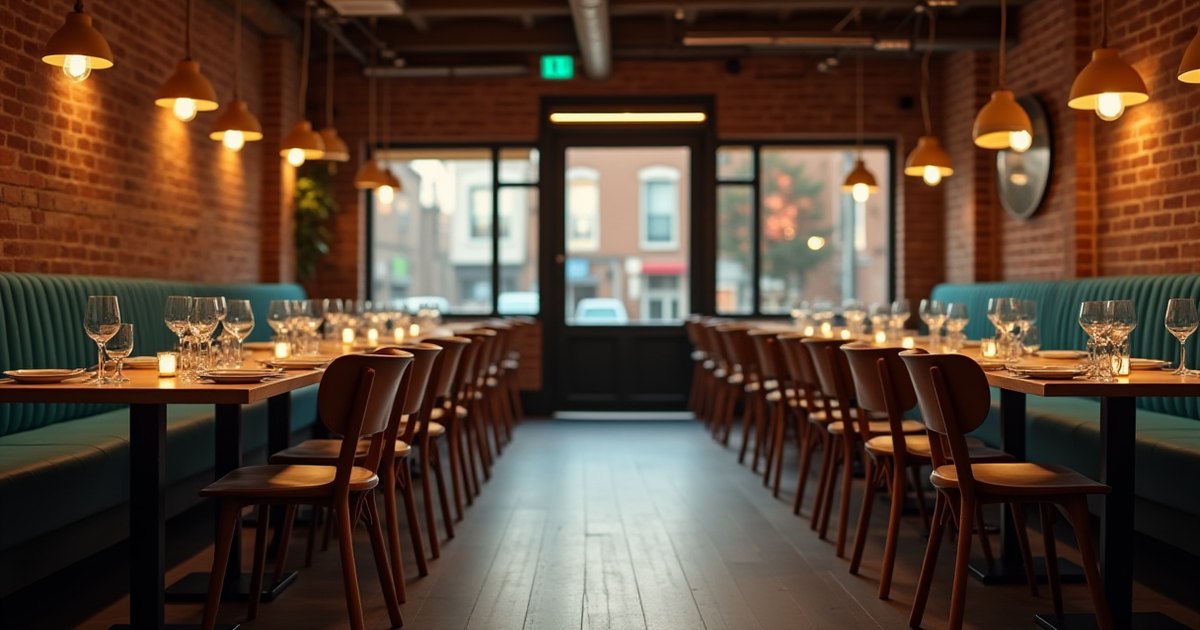
Opening a restaurant involves more moving parts than most first-time owners expect. This covers the practical groundwork — from licensing and fit-out to staffing and your opening menu.
Registering Properly With the Council From the Start
One of the first mistakes new restaurant owners make is leaving council registration and compliance too late. In Bedford and across Bedfordshire, food businesses must register with the local authority at least 28 days before opening. Yet many operators focus on branding, menus, and interiors while overlooking the legal side of opening properly.
Environmental Health inspections are not something to fear if the business is organised correctly from day one. Problems usually happen when kitchens are unfinished, cleaning systems are weak, or documentation is missing. Basic issues such as poor extraction, incorrect sink setup, inadequate refrigeration space, or weak food safety procedures can delay opening plans quickly.
New operators should focus early on food hygiene systems, allergen procedures, cleaning schedules, pest control, and staff training records. The businesses that start properly tend to operate more smoothly later because the foundations are already in place.
A strong Food Hygiene Rating matters, particularly in competitive local markets like Bedford where customer trust spreads quickly through reviews and word of mouth.
Get the Premises and Fit-Out Right Before Thinking About Branding
Many first-time owners spend too much time choosing logos, colours, and social media branding before they have solved the operational side of the business.
The reality is that poor kitchen layout will damage service far more than weak branding ever will. A restaurant with a great logo but a badly designed kitchen quickly runs into workflow problems, delays, staff frustration, and inconsistent food quality.
Before spending heavily on marketing, operators should focus on extraction, storage, prep flow, refrigeration, electrical capacity, drainage, and service movement. The kitchen and front-of-house need to function properly under pressure.
This matters even more in older Bedfordshire properties where buildings were not originally designed for modern hospitality use. Small layout mistakes become expensive once service begins. Prep areas become overcrowded, delivery access becomes difficult, and storage runs out faster than expected.
Good fit-outs prioritise practicality first. The best operators think about how staff move during service, where stock is stored, where deliveries enter the building, and how the kitchen handles peak trading periods.
You can improve branding later. Fixing a poorly planned kitchen after opening is far more expensive.
Build a Menu the Kitchen Can Actually Deliver
One of the biggest mistakes new restaurants make is launching with an oversized menu. Owners often try to offer too much too early because they want to attract everyone at once.
The result is usually the same. Stockholding increases, waste rises, prep becomes disorganised, and service slows down. Kitchens struggle because the menu was designed for appearance rather than operational reality.
A new restaurant needs a menu the team can execute consistently from the first service onwards. That means understanding equipment limits, staffing levels, prep time, and supplier reliability before finalising dishes.
Simple menus executed properly outperform large inconsistent menus almost every time.
This is especially important in the first few months when staff are still learning systems and customer demand patterns are still unpredictable. A smaller menu allows tighter quality control, better consistency, and stronger food cost management.
Restaurants opening in Bedford or surrounding Bedfordshire towns also need to understand their local customer base properly. Pricing, portion size, menu style, and trading patterns can differ significantly depending on location and audience.
The menu should fit both the business model and the kitchen's actual capabilities.
Hire and Train Before the Soft Launch
Many operators recruit too late and expect staff to learn during live service. This creates avoidable problems immediately after opening.
New restaurants often underestimate how long training takes. Even experienced staff need time to learn systems, menus, equipment, allergens, cleaning procedures, and service expectations.
A kitchen cannot operate properly if chefs are still asking basic questions during service. Front-of-house teams also need time to understand the menu, booking systems, upselling approach, and customer handling standards.
The strongest openings happen when staff training starts before customers arrive.
This includes menu tastings, mock services, role play, allergen training, cleaning routines, and station setup practice. Teams should already understand expectations before the first booking is accepted.
Rushed recruitment causes serious instability in the first three months because poor training leads directly to inconsistent service and high staff turnover.
Run the Soft Launch Properly
A soft launch is not simply a discounted opening week. Its purpose is to test systems under real trading conditions before full pressure arrives.
Many restaurants misuse soft launches by inviting too many people too quickly or treating it as a marketing event instead of an operational exercise.
The goal should be controlled service. Smaller booking volumes allow the kitchen and front-of-house to identify problems early. Ticket flow, prep levels, timings, communication, and customer feedback can all be reviewed properly without overwhelming the team.
This stage often reveals issues that were missed during setup. Equipment bottlenecks, menu weaknesses, staffing gaps, and service delays become visible very quickly once real customers arrive.
Operators who ignore these warning signs usually carry the same problems into full launch.
A proper soft launch gives the business time to adjust calmly before reputation becomes harder to control through online reviews and local customer feedback.
Why New Restaurants Struggle in the First Three Months
Most restaurants do not struggle because of one major failure. Problems usually come from multiple smaller mistakes happening at the same time.
Cash flow is often weaker than expected because owners underestimate setup costs and overestimate early sales. Staffing becomes unstable because systems were unclear from the start. Food margins disappear because menu pricing was inaccurate. Customer experience suffers because service standards were never fully established.
Another major issue is trying to grow too quickly. New operators often add dishes, extend opening hours, or increase booking capacity before the business is operationally stable.
The first three months should focus on consistency, control, and refinement. Restaurants that survive long term usually build steadily rather than chasing rapid expansion immediately after opening.
Opening a restaurant in Bedford or Bedfordshire can absolutely succeed with the right planning and structure. But hospitality rewards preparation far more than enthusiasm alone. Strong systems, realistic planning, and operational discipline matter far more than hype around launch day.
Opening a restaurant?
Chef Anwar Miah provides end-to-end support for new restaurant openings — menu, kitchen setup, staff training, and launch.
Launch Support Get in Touch