Common Kitchen Workflow Mistakes & Fixes
— Chef Anwar Miah
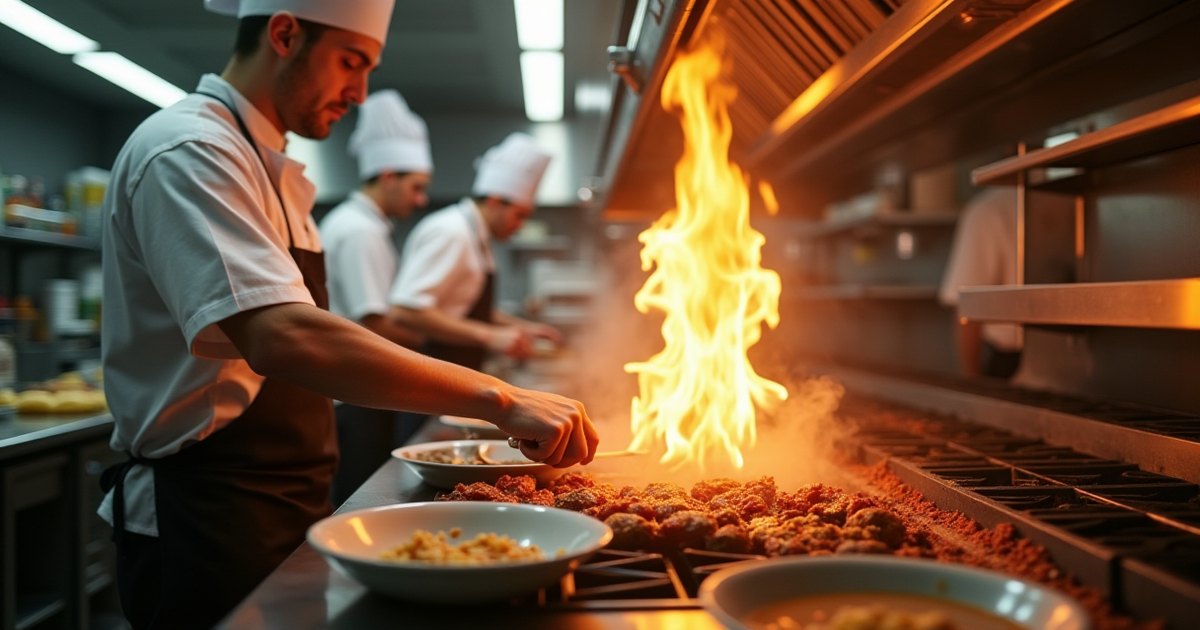
Slow service, inconsistent dishes, and stressed kitchen teams usually come down to a handful of avoidable workflow problems. This is what to look for and how to address each one.
No Prep Schedule
One of the most common workflow problems in professional kitchens is the lack of a proper prep structure. Many kitchens operate day-to-day without a clear prep plan, relying instead on memory, habit, or verbal instructions. The result is predictable. Service begins with half-finished prep, missing ingredients, rushed cooking, and unnecessary pressure on the team.
This usually happens because the kitchen becomes reactive rather than organised. Senior chefs carry the information in their heads instead of putting systems in place. When the business gets busy, nobody has visibility over what still needs doing or who is responsible for it.
The knock-on effect is serious. Prep gets duplicated, stock gets over-produced, waste increases, and service quality becomes inconsistent. Staff also lose confidence because they are constantly firefighting rather than working methodically.
The fix is simple but requires discipline. Every kitchen should operate with a written prep schedule linked directly to expected covers, reservations, and sales patterns. Prep lists should be broken down by section, quantities, and completion times. Chefs should know before service exactly what is expected and what level the kitchen needs to reach before opening.
Good prep systems reduce stress because the kitchen stops relying on guesswork.
Stations Not Clearly Defined
Another major issue is unclear kitchen station responsibility. In many kitchens, staff move between jobs without structure. One chef may start on garnish, move to starters, then jump onto desserts halfway through service because nobody owns specific sections properly.
This usually develops in kitchens with weak management structure or staffing shortages. Owners and head chefs often believe flexibility means efficiency, but in practice it creates confusion.
When stations are not clearly defined, accountability disappears. Tickets slow down because chefs are unsure who is handling components. Communication breaks down during busy periods. Mistakes increase because everybody assumes somebody else has completed a task.
The strongest kitchens operate with clear station ownership. Every chef should know their responsibilities before service starts. That includes prep, stock levels, cleaning duties, replenishment, and service execution.
Even smaller kitchens benefit from defined roles. A two or three-person service still needs structure. When everybody understands their section and workflow, the kitchen moves faster and more calmly under pressure.
No SOPs for Plating
Many restaurants underestimate how much inconsistency damages customer confidence. One table receives a clean, balanced plate while the next receives a rushed version of the same dish. Portion sizes vary, garnish placement changes, and presentation standards drift over time.
This normally happens because plating exists only in the head chef's mind. There are no written standards, no photo references, and no agreed presentation system for the team to follow.
The problem becomes worse when staff turnover increases. New chefs learn by watching others rather than following documented procedures. Over time, every chef plates dishes slightly differently.
This inconsistency affects more than appearance. It impacts speed, food cost, and customer perception. If plating takes too long because chefs are improvising, tickets back up quickly during peak periods. If portions are inconsistent, margins disappear.
The solution is proper SOPs for every dish leaving the kitchen. Plating guides should include portion size, plate type, garnish placement, finishing steps, and visual reference images where possible. The goal is not to remove creativity. The goal is consistency during service.
Strong kitchens produce the same plate repeatedly regardless of who is on shift.
Poor Communication at the Pass
The pass controls the pace and organisation of service. When communication at the pass is poor, the entire kitchen loses rhythm.
This usually starts with unclear leadership. Multiple people call tickets, timings are not confirmed, or chefs fail to communicate delays early enough. In some kitchens, the pass becomes reactive rather than controlled, especially during busy services.
The impact is immediate. Dishes sit waiting for missing components. Food dies under lamps. Front-of-house staff receive conflicting information. Customers experience long waits followed by rushed service.
Poor pass communication also creates tension between kitchen and floor staff. Instead of operating as one team, both sides become frustrated because information is inconsistent.
The fix requires a single point of control. One person must lead the pass during service. Calls need to be clear, concise, and consistent. Chefs should communicate issues early rather than waiting until tickets are already delayed.
Timing checks should happen continuously throughout service. The kitchen should always know what is firing next, what is working, and where pressure points are developing.
Calm communication creates faster service than shouting ever will.
Doing the Wrong Tasks During Service
Many kitchens lose efficiency because chefs focus on low-value tasks at the wrong time. During peak service, staff start unnecessary cleaning, over-organising fridges, completing prep for the next day, or leaving stations repeatedly for avoidable jobs.
This happens because service priorities are not properly managed. Less experienced chefs often struggle to separate urgent tasks from non-essential ones. Weak supervision makes the problem worse.
The result is slower ticket times and reduced awareness during service. Chefs become distracted from the section directly in front of them. Small delays then build across the kitchen.
Strong service requires task discipline. During busy periods, the focus should remain on cooking, communication, replenishment, and maintaining section control. Non-essential tasks can wait until quieter periods or after service.
This also applies to management. Head chefs should not disappear into office work during peak service while the kitchen struggles operationally. Leadership presence matters most when pressure increases.
The best kitchens understand timing. They know when to prep, when to clean, when to organise, and when to focus entirely on execution.
Workflow Problems Are Usually System Problems
Most kitchen workflow issues are not caused by lazy staff or lack of effort. They are caused by weak systems, unclear structure, and inconsistent leadership.
When kitchens rely too heavily on memory, verbal instruction, or constant improvisation, pressure builds quickly during service. Eventually standards drop, staff burn out, and profitability suffers.
Good kitchens are built on repeatable systems. Clear prep schedules, defined stations, plating standards, strong communication, and disciplined service management create consistency. Once those systems are in place, the kitchen becomes more stable, more profitable, and far easier to run under pressure.
Want a kitchen that actually runs smoothly?
Chef Anwar Miah designs kitchen systems that reduce chaos and improve consistency across every service.
Kitchen Systems Get in Touch